Follow us
划动查看中文版
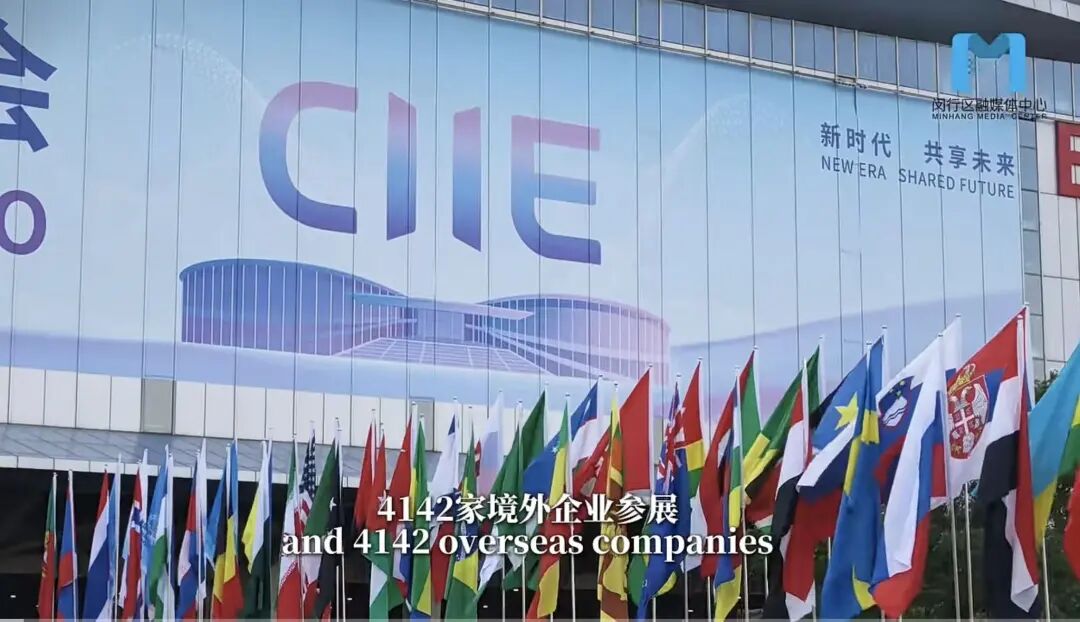
Did you know? The 9th CIIE in China brought together 162 countries, regions and international organizations, and 4,142 overseas companies. Among them, nearly 200 of them have made all nine editions, never missing a single one. So what does this actually mean?
In fact, to grasp what CIIE really means, you have to look beyond Shanghai to Guangzhou. You may not have noticed that the 9th CIIE opened the very next day after the 140th Canton Fair closed. That is not a coincidence. These two back-to-back mega-events: one selling to the world in Guangzhou, one buying for the world in Shanghai. The two windows open onto a new picture: China's shift from "world's factory" to "world's market".
Two tasks
The Canton Fair was born in an era of "survival breakout". Back then, New China faced a dual bind: a Western economic blockade and an acute shortage of foreign exchange. Its mission was blunt: break the blockade and earn foreign currency through exports. It was, in essence, a "trade window" opened in a closed environment, serving an export-led, catch-up industrialization strategy.
CIIE arrived in 2018, when China stood at a point of "role change". As the world's second-largest economy, the question China faced was no longer "how to sell abroad", but how to proactively open its market. This opening upgrades Chinese industry and consumption, while using the certainty of a mega-market as a core link through which global companies can share opportunities.
Echoes of Two Cities
Geographically, CIIE in Shanghai leans on the Yangtze River Delta and serves the building of a "gravity field of domestic demand". The Canton Fair, rooted in the Pearl River Delta, serves the export resilience of the "world's factory". The two are complementary and go beyond a single "transaction function". At the Canton Fair, China's specialized and innovative products keep upgrading; at CIIE, cutting-edge global technologies are looking for real-world application scenarios in China.
Groundhog Day?
So neither of these two expos is just a Groundhog Day–style repetition. What matters is that global trade and commerce have found in the East a platform that is steady, continuously circulating and reliable over the long run. The 140-session Canton Fair embodies what an old Chinese saying calls "goods flow freely, and trade benefits all". The young CIIE, at only nine editions, carries the open-armed generosity of "Is it not a delight to have friends come from afar?"
If you've made it to the end of this video, you probably want to understand not only CIIE, but China itself a little better. Time reveals true hearts, so let time give the answer.
你知道吗?第九届中国国际进口博览会,汇聚了162个国家、地区和国际组织,共有4142家境外企业参展。其中,近200家企业完成九届“全勤”,一届没落。这究竟意味着什么?
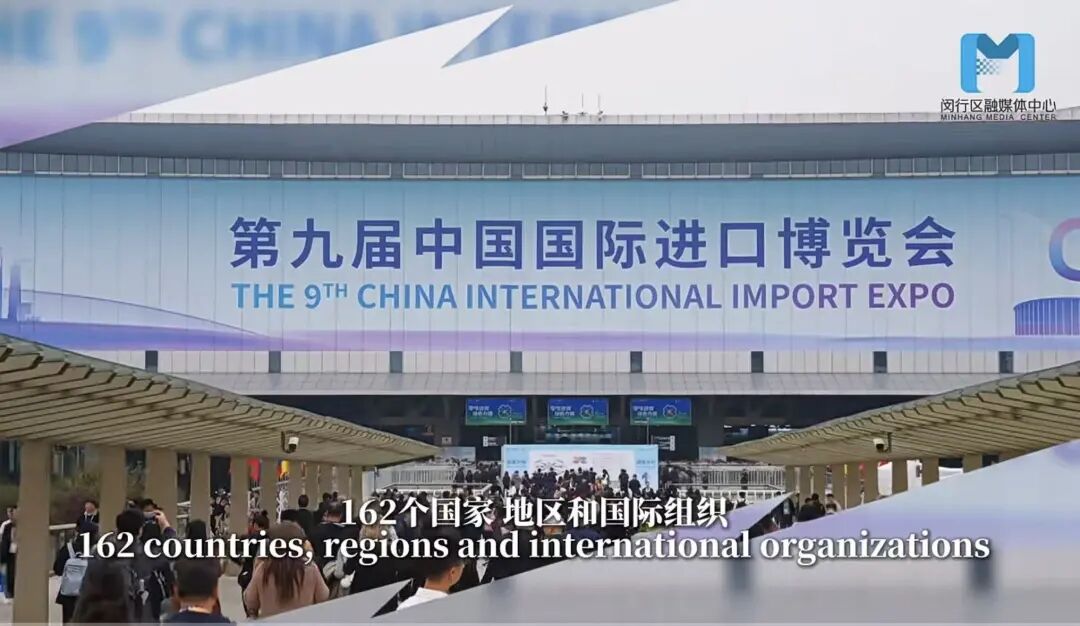
事实上,要看懂进博会的意义,我们要看的不只是上海,还有广州。你也许没有发现,第九届进博会的开幕,就在第140届广交会闭幕的第二天。这不是巧合。两个相继召开的盛会,一个在广州“卖全球”,一个在上海“买全球”。两扇窗打开的新图景,是中国从“世界工厂”向“世界市场”的转型。
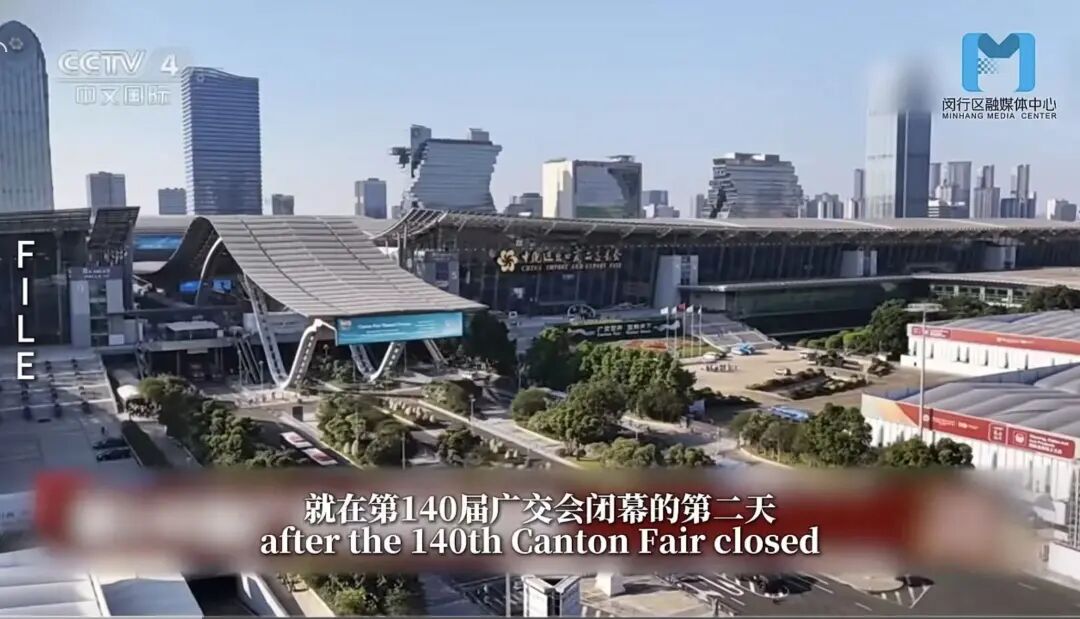
广交会诞生于“生存突围”的年代,当时新中国面临西方经济封锁与外汇极度匮乏的双重困境。广交会的使命非常直接:打破封锁、出口创汇。它本质上是中国在封闭环境下打开的一扇“贸易窗口”,服务于以出口导向驱动工业化的赶超战略。
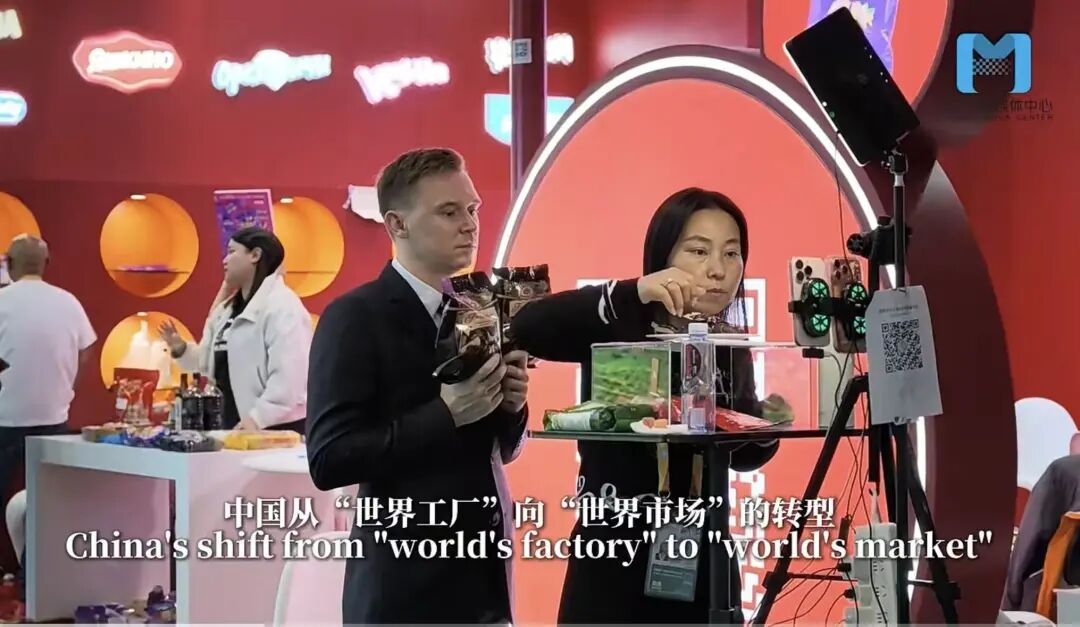
进博会则诞生于2018年,彼时的中国站在了“角色转换”的节点。作为全球第二大经济体,中国面临的课题不再是“如何卖出去”,而是如何主动开放市场,既推动中国产业升级、消费提质,又以超大规模市场的确定性,为全球企业提供共享机遇的核心纽带。
而就两场盛会的地理位置而言,落地上海的进博会背靠长三角,服务于“内需引力场”的构建;广交会则扎根珠三角,守护“世界工厂”的出口韧性。它们互为补充,早已超越了单一的“交易功能”。广交会上,中国的“专精特新”产品在持续升级;进博会上,全球前沿技术也在寻找中国落地场景。
两场盛会都不是像“土拨鼠之日”那样简单重复。真正重要的是,世界经贸在东方找到了一个持续平稳、循环流动、长期可靠的平台。历时140届的广交会,践行着古语里“货畅其流,利济天下”的追求;而举办九届、尚且年轻的进博会,则尽显“有朋自远方来,不亦乐乎”的开放豪迈。
相信看到最后的您,不止想要更了解进博,也想更了解中国。日久见人心,不如让时间来回答。
Swipe for Chinese version