Jing’an shopping malls
host winter-themed programs
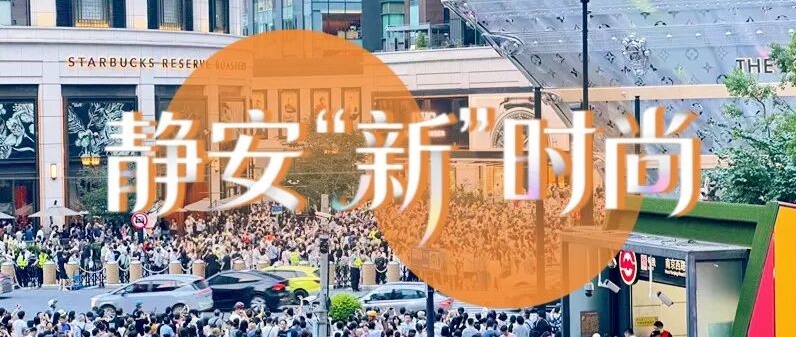
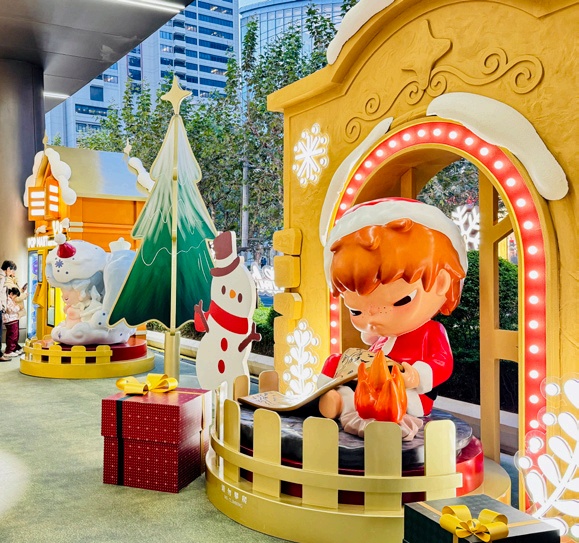
As the year winds down, Jing’an feels anything but subdued. The air turns sharp and daylight retreats, yet the district’s commercial life gathers momentum, spilling from one shopping quarter to the next in a sequence of winter scenes – less about keeping warm than about keeping the city in motion.
In recent weeks, several shopping complexes in Jing’an District have hosted winter-themed programs that combine retail, dining and live entertainment.
At Jing’an Kerry Center’s South Plaza, the Swirling Karneval market has been set up with a circus-inspired layout. It brings together more than 20 lifestyle and food brands, alongside a schedule of about 180 performances, including dance shows, parades and live music.
HKRI Taikoo Hui has also launched its winter season under the theme “Oh là là,” building on attention drawn by its landmark “The Louis” cruise ship.
The seasonal program centers on “Dialogue,” a pair of large-scale installations made of metal and glass. One references Paris’s Eiffel Tower, while the other draws inspiration from Shanghai’s Oriental Pearl TV Tower, reflecting cultural links between the two cities. Street lighting, craft workshops and parades have been designed to extend the events into surrounding public spaces.
Other commercial complexes have introduced brand collaborations and interactive exhibitions aimed at attracting different consumer groups.
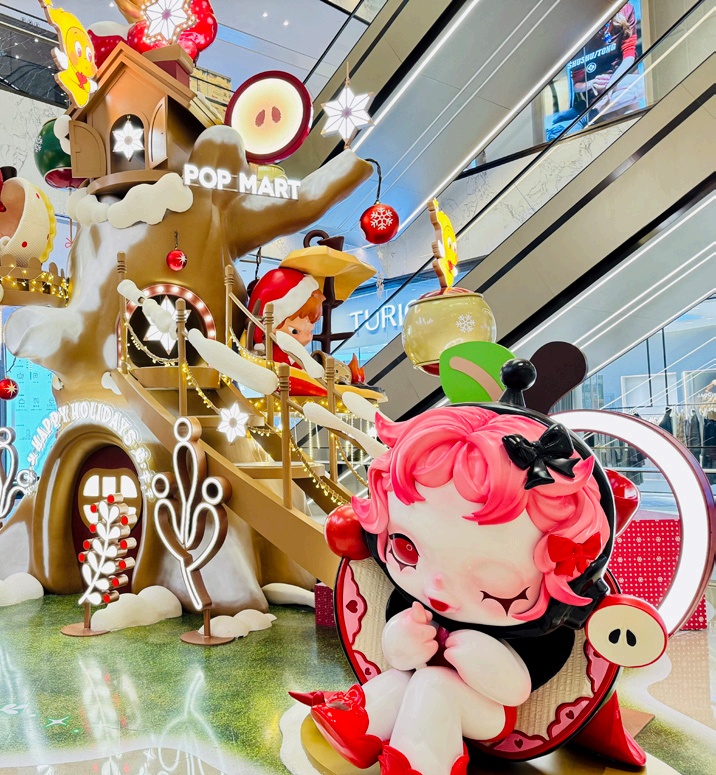
Plaza 66 has partnered with luxury brand Goyard on an outdoor installation featuring a large mechanical travel trunk with moving elements. At JC Plaza, a collaboration with Pop Mart has brought in a themed exhibition featuring characters such as Labubu and Dimoo, targeting younger visitors.
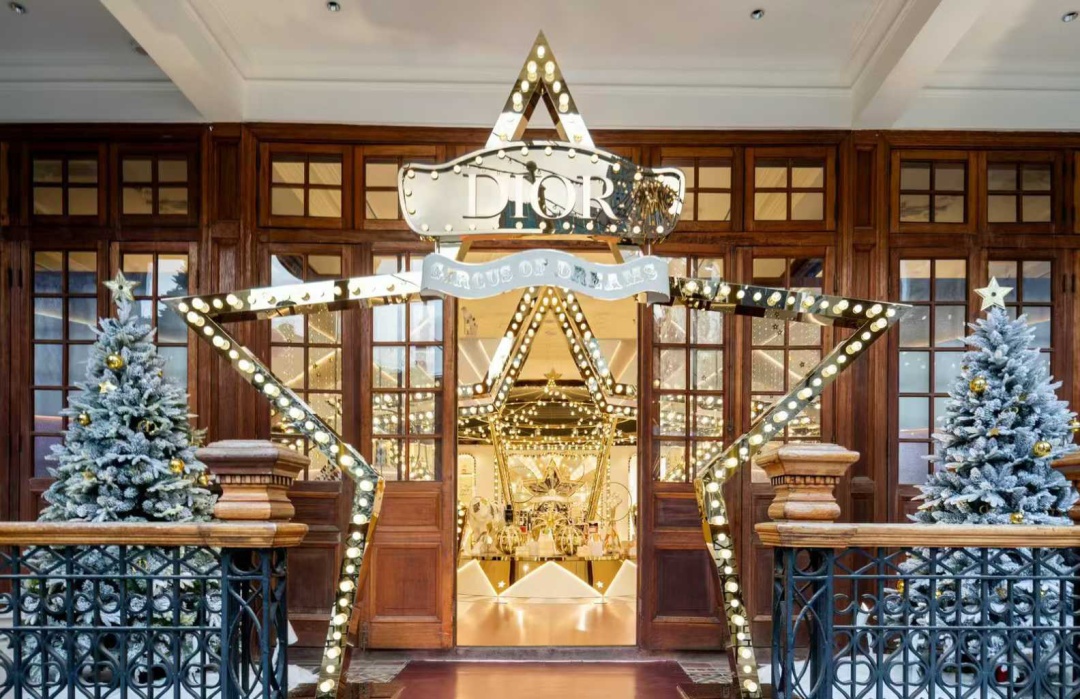
Cultural programming has also been integrated into commercial areas. Immersive theater production “Sleep No More” marked its ninth anniversary in Shanghai with performances staged in the historic shikumen stone-lane alleyways of Zhangyuan Garden, combining theatrical storytelling with heritage architecture and retail space.
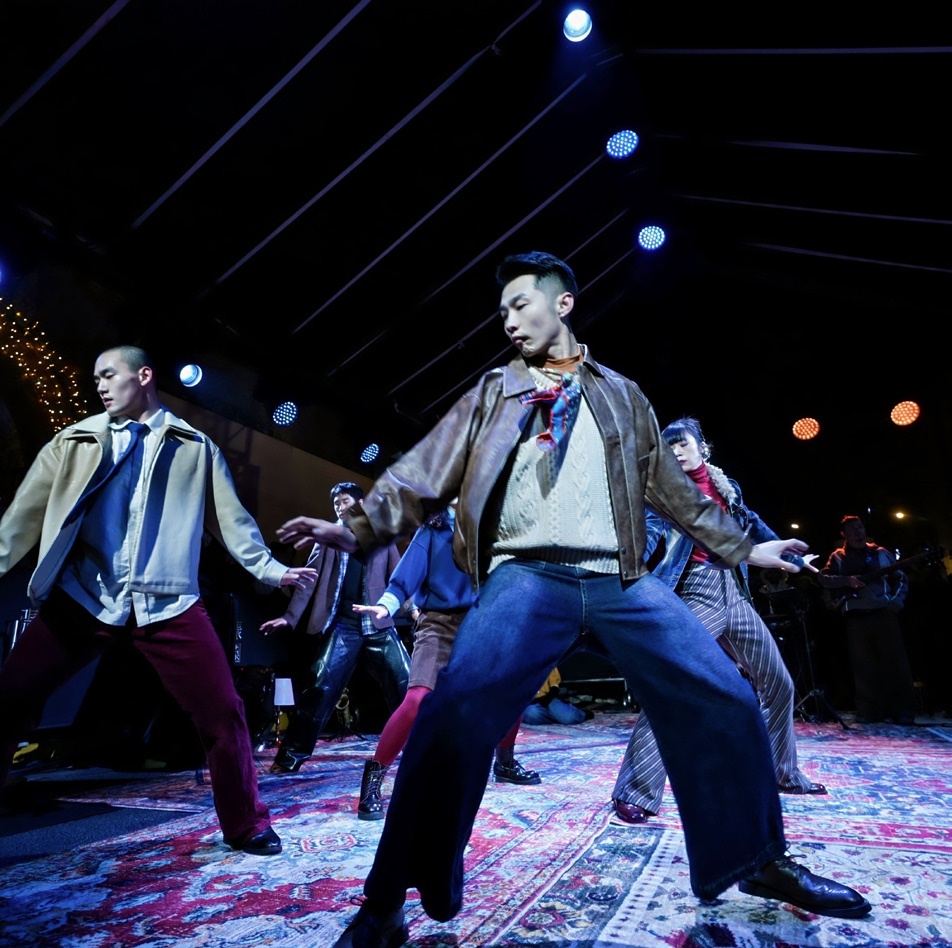
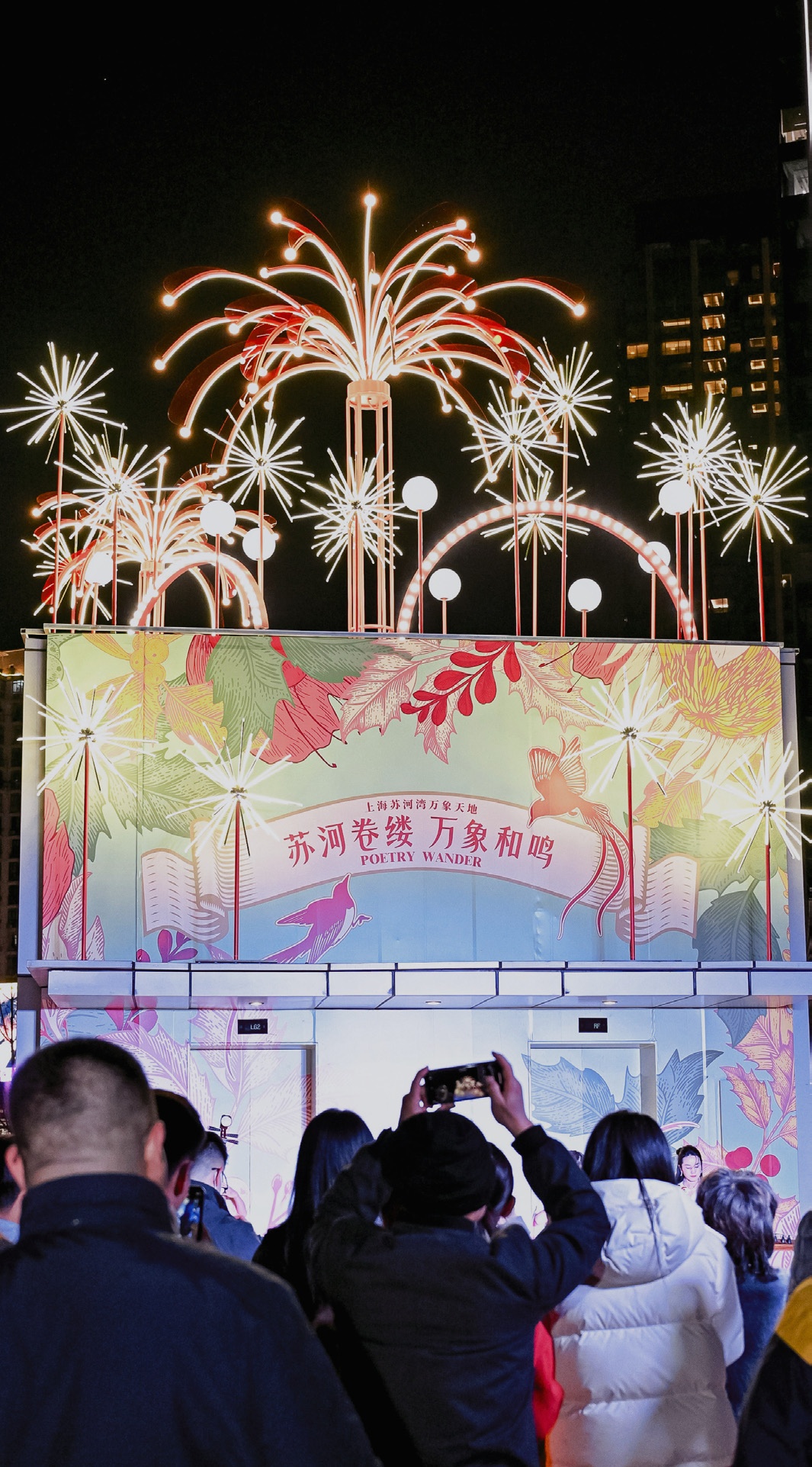
The Suhewan business district focuses on the integration of art and daily life, and Suhewan MixC World has launched the themed campaign “Poetry Wander” along the banks of the Suzhou Creek.
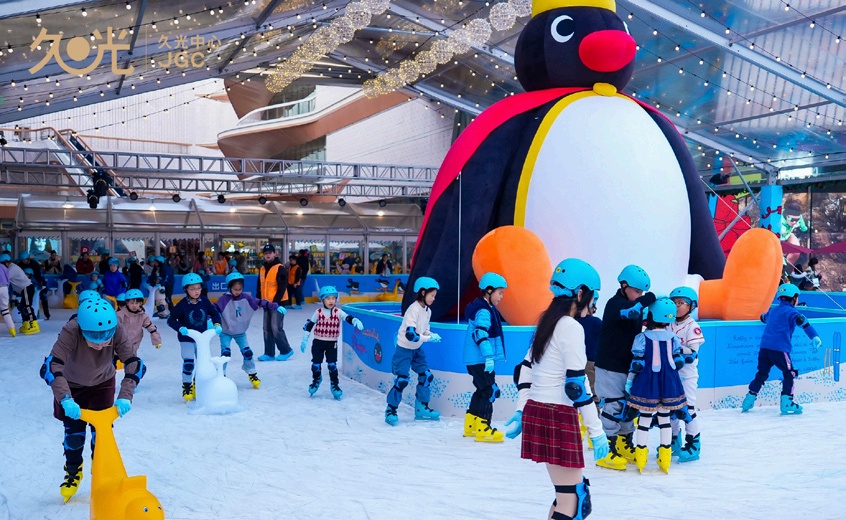
In the Daning area, Jiuguang Center launched a Pingu-themed winter attraction covering more than 1,000 square meters, including an ice rink, themed dining venues and retail outlets, positioning the complex as a family-oriented destination during the winter season.
District officials have described these initiatives as part of a broader effort to reposition commercial areas as mixed-use urban spaces, rather than focusing solely on traditional retail.
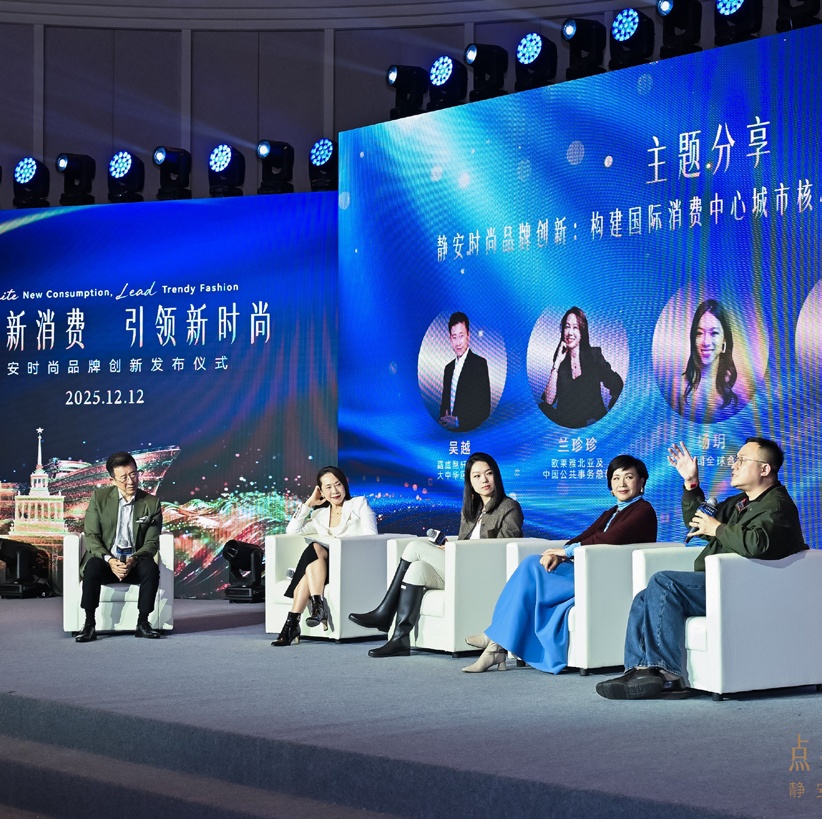
That strategy was outlined more formally on December 12 at the “2025 Jing’an Fashion Brand Innovation Release,” where the district introduced a consumption framework centered on first-launch retail, self-reward spending, nighttime economy, design-driven consumption and technology-enabled retail.
Officials said the framework is intended to guide the district’s approach to commercial development amid changing consumer expectations.
To support fashion brands, Jing’an announced a set of incentives aimed at different stages of brand development. These include subsidies of up to 1 million yuan (US$142,000) for flagship “first store” openings, as well as financial support of up to 10 million yuan for the incubation and expansion of local brands.
The district also launched the Jing’an Fashion Brand Alliance, which brings together more than 100 international and domestic brands, including LVMH, Richemont, Kering, L’Oréal and Labelhood. The alliance is intended to facilitate cooperation across branding, retail operations and supply chains.
In addition, six emerging Chinese brands, including Keigan and Sandriver, signed agreements to establish their operations in Jing’an. Support for these brands will include access to incubation space, supply-chain resources and marketing assistance.
Strategic guidance for the initiative is being provided by experts from commerce authorities, industry organizations and consulting firms, including WWD China, Bain & Company and Shanghai Fashion Week. Officials said the advisory support is intended to help align the district’s commercial policies with global industry trends and data-driven analysis.

Four titles featured
as Jing’an hosts esports tournament
The 2025 Shanghai Esports Masters took place at the Jing’an Sports Center in December, as Shanghai steps up efforts to develop its esports industry.
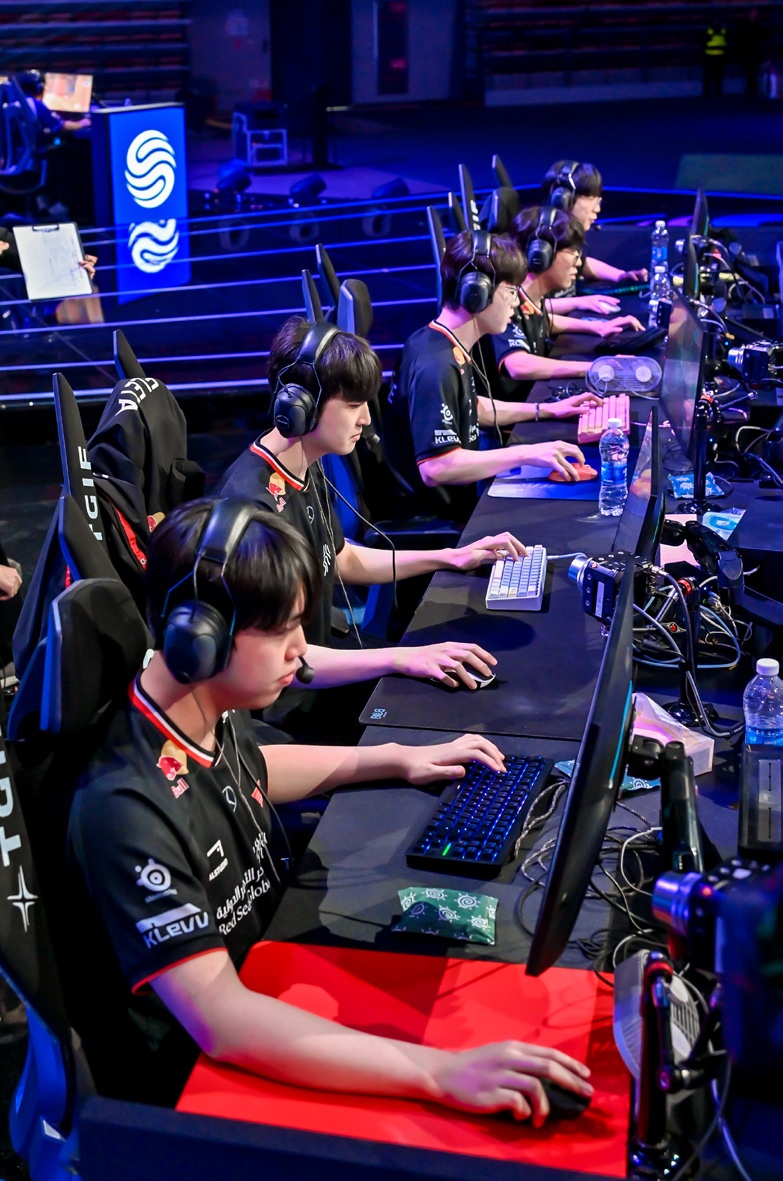
The five-day tournament featured four titles — "Mobile Legends: Bang Bang," "Valorant," "Overwatch" and "Identity V" — with nearly 100 professional players from China, South Korea, Mongolia and other countries and regions competing. "Mobile Legends: Bang Bang," which has been added to the 2026 Asian Games in Japan, made its debut at the event.
Organizers sought to extend the tournament's impact beyond the venue. Tickets started at 68 yuan (US$9.60), with discounted two-day passes offered for "Valorant" matches.
Live broadcasts and interactive events were held at locations such as Daning Music Plaza, while shopping centers, including Shanghai Suhewan MixC World, CP Jing’an and Shanghai Jiuguang Center, offered promotions for ticket holders. A digital culture market ran alongside the competition.
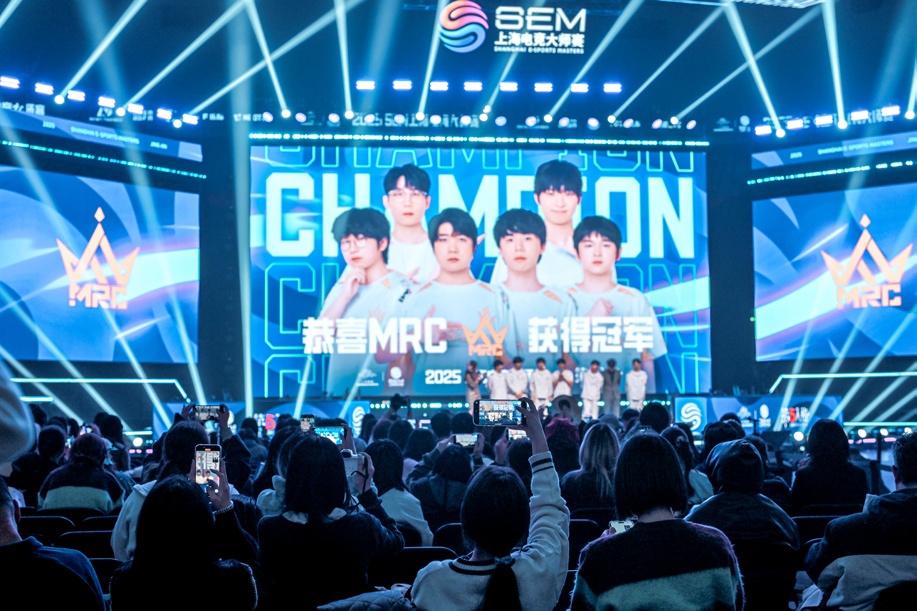
The event forms part of Jing’an’s broader push to position itself as a key esports hub in Shanghai. The district hosts more than 100 gaming and esports companies, covering game development, operations and tournament management, and stages three major annual events — the Global E-Sports Conference and the China Game Innovation Competition, and the Shanghai Esports Masters.
Technology development is central to the district’s plans.
In the Daning area, an ultra-high-definition audio-visual industry cluster, launched in December 2024 through a district–municipal partnership, is being developed to support esports production and related content. The project is intended to link chip design, video gaming and artificial intelligence with local esports firms, expanding the use of "AI + Audio-Visual" applications.
In the next five years, Jing’an plans to develop Lingshi Road into a more integrated esports zone by reusing existing buildings, parks and venues to host competitions, live broadcasting, performances, merchandising and game development. Incentives covering space, financing and talent will be unveiled to attract new projects, as Shanghai seeks to strengthen its position in the global esports industry.
Conference highlights growing role of AI
in reshaping media industry

The 2025 China Press Media Industry Artificial Intelligence (AI) Application Conference concluded recently in Jing’an, underscoring the growing role of AI in reshaping the media industry.
In her opening remarks, Ma Xiaohong, deputy head of the publicity department of the Shanghai Municipal Committee of the Communist Party of China, outlined three priorities for the sector’s use of AI.
She said AI should be applied as a tool to support innovation in mainstream media, guided toward ethical and responsible use, and leveraged to drive broader systemic reform across the industry.
Zhai Lei, the district’s director, said Jing’an would support Shanghai’s ambition to position itself as a global leader in AI governance with its own experience and capacity to those efforts.
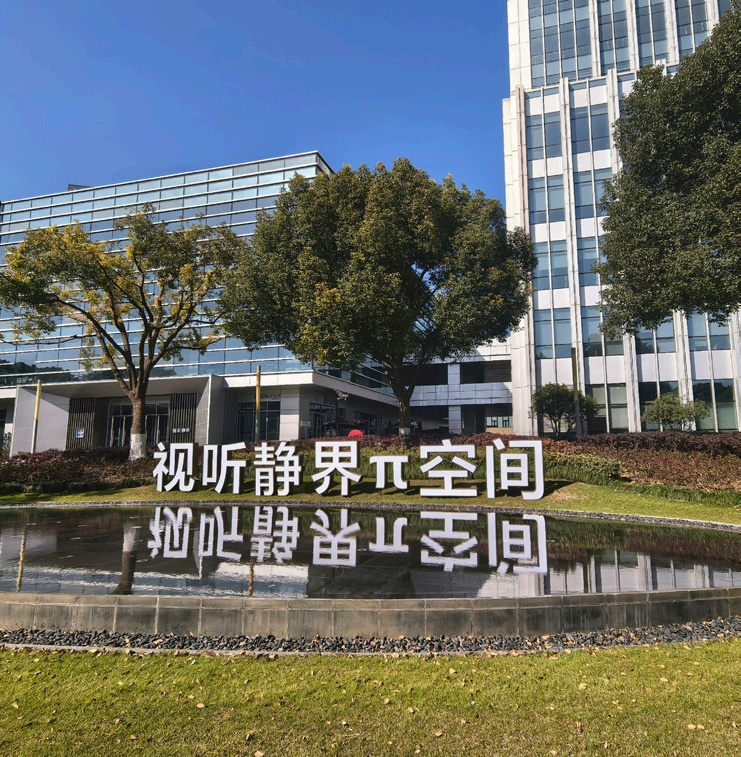
One of the conference’s key announcements was the launch of the “Audiovisual Jing’an π Space OPC Innovation Partnership Plan.” Based in the Daning functional area of Jing’an, it aims to build an innovation community for OPCs, or one-person companies.
The program will offer start-ups a range of services, including business incubation, professional mentoring, intellectual property protection and access to financing. Backed by nine district-level policy measures, the plan is intended to develop “π Space” into a national hub for OPC innovation by encouraging collaboration among government bodies, media organizations, technology companies, investors, universities, research institutions and content creators.
The conference also released the “2025 China Press Media Industry AI Integrated Media Application Blue Book.” The report found that AI technologies are now being applied across four areas of the media sector: content production, distribution, consumption and the development of new services.
Panel discussions and presentations at the event examined how AI technologies and large language models are changing media workflows, from content creation and distribution to presentation formats, while also opening up new revenue opportunities through AI-powered integrated media.
编辑:徐悦琳
资料:区新闻办、上海日报
转载请注明来自上海静安官方微信