[1] Smith, E. A. (2004). Why do good hunters have higher reproductive success?. Human Nature, 15(4), 343-364.
[2] Malouff, J. M., Thorsteinsson, E. B., Schutte, N. S., Bhullar, N., & Rooke, S. E. (2010). The five-factor model of personality and relationship satisfaction of intimate partners: A meta-analysis. Journal of research in personality, 44(1), 124-127.
[3] Hendrie, C., & Shirley, I. (2019). Courtship-feeding in the ‘First Dates’ restaurant is highly predictive of a second date. Appetite, 141, 104329.
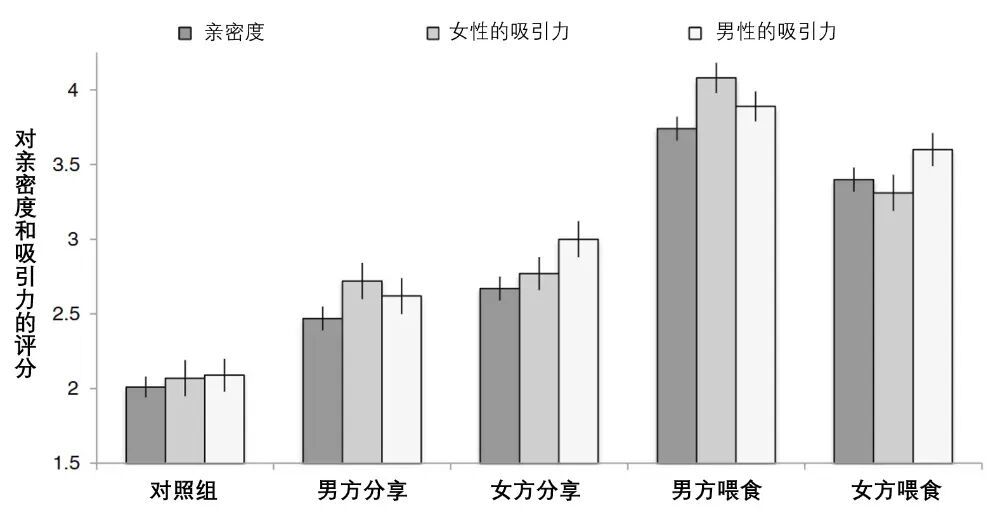
[4] Alley, T. R., Brubaker, L. W., & Fox, O. M. (2013). Courtship feeding in humans? The effects of feeding versus providing food on perceived attraction and intimacy. Human Nature, 24(4), 430-443.
[5] Rusbult, C. E., Martz, J. M., & Agnew, C. R. (1998). The investment model scale: Measuring commitment level, satisfaction level, quality of alternatives, and investment size. Personal relationships, 5(4), 357-387.
[6] Gordon, A. M., Cross, E., Ascigil, E., Balzarini, R., Luerssen, A., & Muise, A. (2022). Feeling appreciated buffers against the negative effects of unequal division of household labor on relationship satisfaction. Psychological Science, 33(8), 1313-1327.
[7] Maisel, N. C., & Gable, S. L. (2009). The paradox of received social support: The importance of responsiveness. Psychological Science, 20(8), 928-932.
[8] Aron, A., Norman, C. C., Aron, E. N., McKenna, C., & Heyman, R. E. (2000). Couples' shared participation in novel and arousing activities and experienced relationship quality. Journal of personality and social psychology, 78(2), 273.
[9] Stafford, L., & Canary, D. J. (1991). Maintenance strategies and romantic relationship type, gender and relational characteristics. Journal of Social and Personal relationships, 8(2), 217-242.